Design time
Where free design work starts
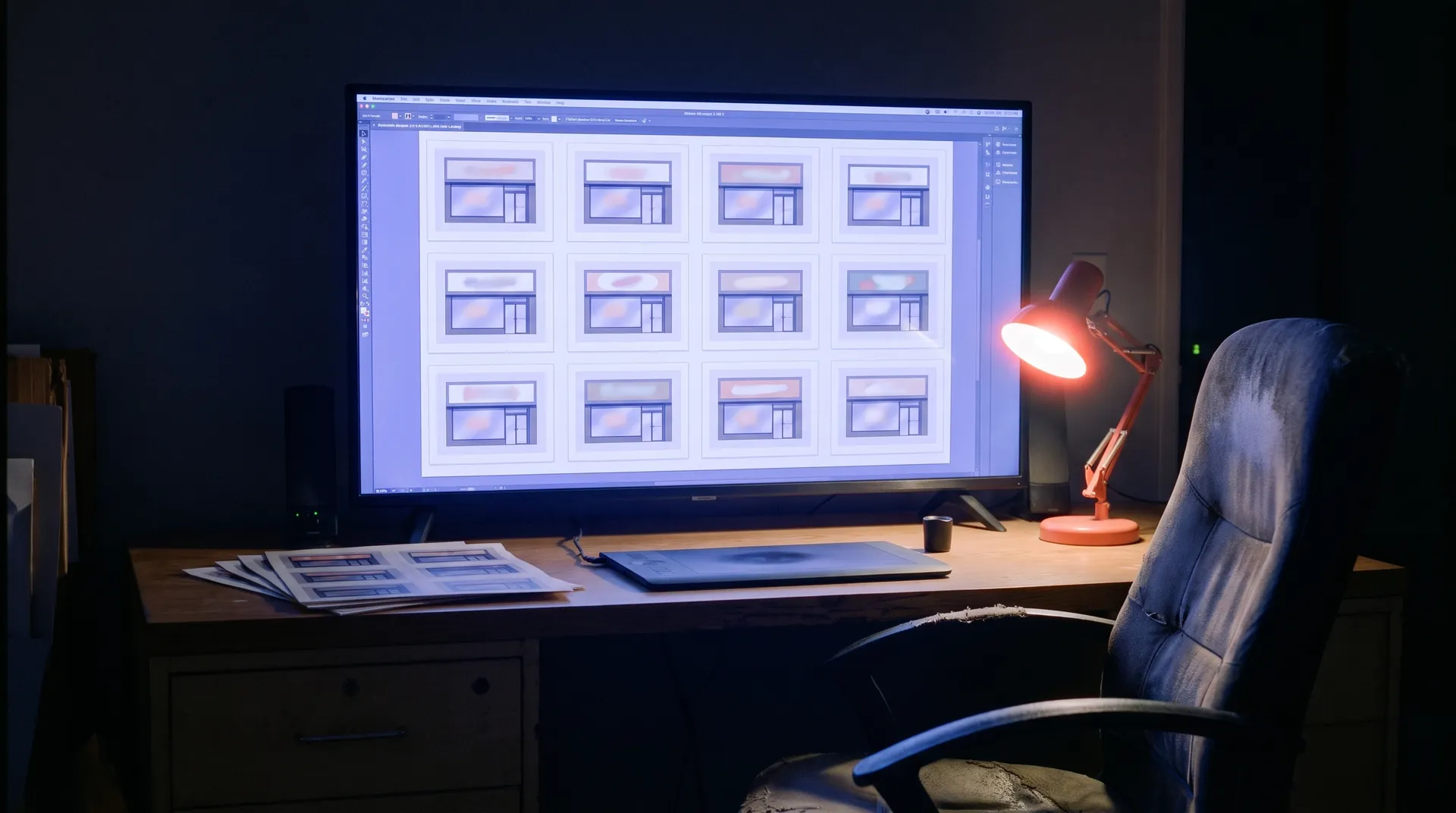
It rarely starts as a decision. A customer asks to see it first. You put together a quick layout because it will probably win the job. Then they ask for one more change, then another, and none of it is billed.
One owner on a sign forum described how it went for him: "Normally I don't do proofs on speculation, but it was a quick five minute thing that I hoped would lead to getting the job. This turned out to be a huge mistake, as it spawned a string of requests for changes on the proof." Another called the result "a million little changes."
A designer on a sign forum told a story about an office that asked for revision after revision, with different versions of the sign and the logo each time, and then ghosted the shop. A few jobs like that add up to a lot of designer hours with no deposit behind them.
The problem is easy to find in the forums. It comes up in more than a dozen threads and gets mentioned in many more. The cost is not only the hours. One owner said his shop was "getting bogged down with proofs and losing orders due to timeliness of estimates going out." While the designer is busy on a job that may never happen, the quotes for jobs that will happen wait.
A rough look answers the first question
When a customer asks to see it first, they usually want to know one thing: what will it look like on my building? That question does not need a designer. It needs the customer's logo placed on the customer's wall at roughly the right size.
A quick preview on a photo can answer that without designer time. It is a sketch for the customer to react to. It does not have measurements, a production file or a color match. It is clearly labeled as a preview, and the real design starts later.
Some owners add a second layer, which is a range. One wrote, "I give a price range and if they are good with that range I'll do the actual quote." Another suggested giving customers "a wide ballpark range." A preview and a range together tell the customer what it looks like and roughly what it costs, which is most of what they wanted from the proof.
Not everyone agrees that this is the right order, and you may not either. Some owners say they never give a ballpark, because the customer needs a real price eventually anyway. The question is not which style is correct. It is whether the first look costs you designer time. If it does, find a cheaper way to give it.
Take the deposit before the real work
A deposit link sent with the quote makes the next step clear. It also sorts your customers. The ones who are serious pay. The ones who were only browsing do not, and you find that out before the designer has spent a week on them.
Plenty of shops already work this way. One wrote, "We don't draw up proofs unless we have a deposit." Another, "We don't do speculative design." A third owner put the risk bluntly: "Providing free art or mockups without a contract is not recommended. The work you provide without a contract potentially will end up in someone else's hands." He was not exaggerating. One owner described a customer who took the artwork the shop had supplied and ordered a cheaper sign from an online printer.
Owners disagree on the edge cases. Another owner described a quick layout as "a shot in the dark," and said that when the customer loved it and wanted to move forward, he felt he was producing a rushed design. If you decide to do a quick layout on a job that looks very likely, treat it as the exception, and say so on the quote.
Write down what the deposit covers. Say what happens if the customer changes their mind after design starts. Customers rarely argue with terms they saw before they paid.
Put revision rounds in writing
When the number of rounds is on the quote, the conversation about a fourth round gets easier. You are pointing at a line they already agreed to.
A simple version is a set number of rounds included, then a per-change charge after that. Several owners run it this way. Keep the wording short and put it where the customer will see it, next to the price and the deposit, so it is not buried in the terms.
Count the rounds as they happen. Tell the customer when they are on the last included one. "This is round three of three, so any further changes will be billed as listed on the quote" is a calm sentence to write when the rule is already on the page, and a hard one to write when it is not.
Decide up front what counts as a round. Swapping a color is one. Redoing the layout from scratch because the customer's partner just weighed in is another. Most arguments about revisions are really arguments about what the word meant.
The quote is where this lives. Winton Consulting's quoting automation puts your revision terms into every quote the same way, and the Shop CRM sends the deposit link when a quote is approved and shows which jobs are paid and ready for design. Both leave the design itself to you.
Put the ideas to work.
Keep reading
More articles.
Design time
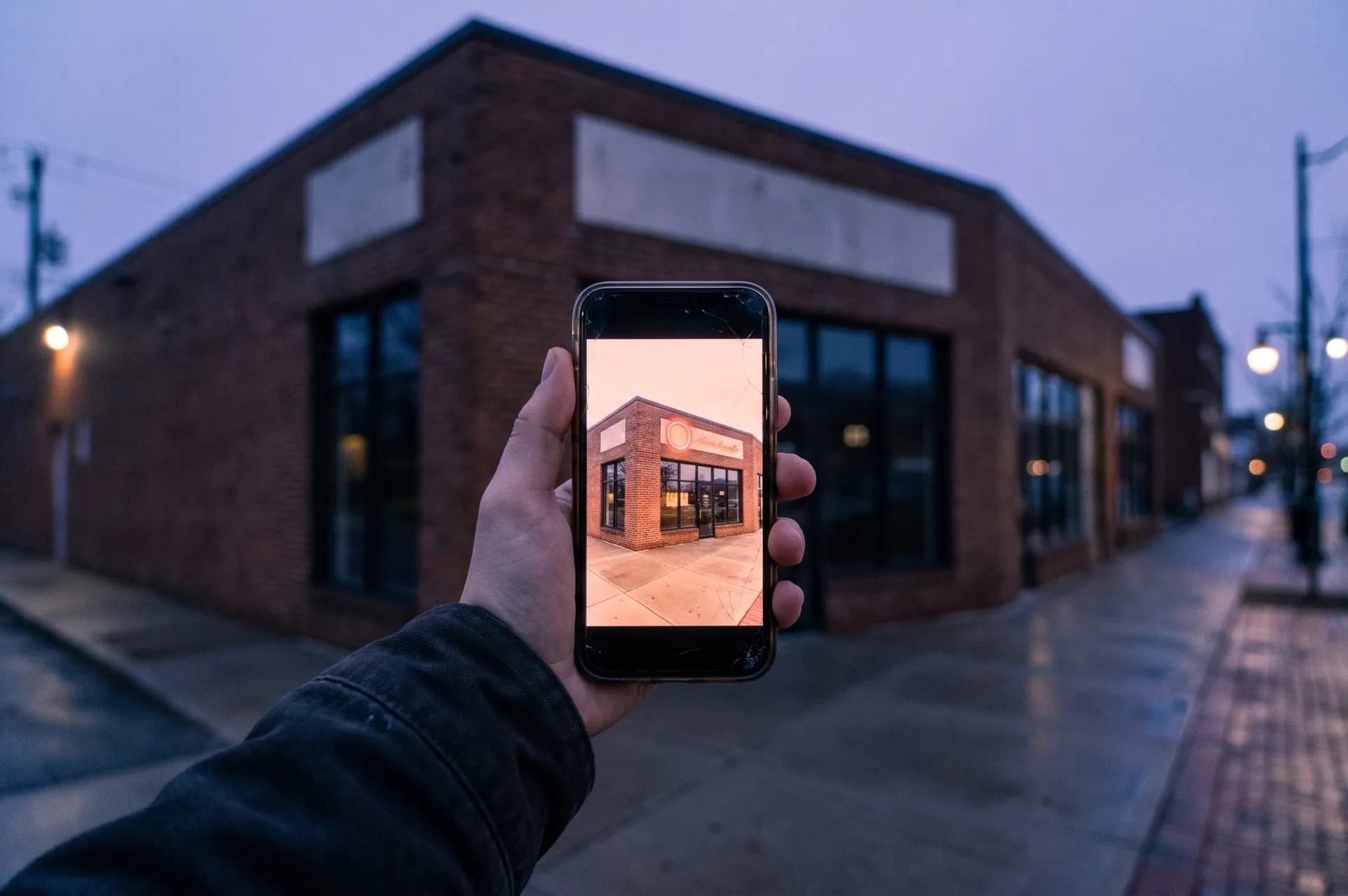
Showing customers their sign on their building before design starts
Customers want to see the sign on their own building before they commit. A rough preview on their photo answers that without using designer hours.

Quoting
Getting every detail for a sign quote on the first try
Owners on sign forums say the slow part of quoting is getting details out of the customer. Asking the right questions up front cuts the back-and-forth.
Getting paid
Deposits and payment reminders for sign jobs
Chasing payment after the install is slow and awkward. A payment link with every quote and reminders on a schedule take most of the chasing off your plate.