Home Articles Bringing back past customers: faded signs, new locations, rebrands Follow-up
Bringing back past customers: faded signs, new locations, rebrands
Your old job list holds customers who already trust you. A scheduled check-in tied to the sign they bought gives them a reason to call again.

Follow-up
Your old job list is a lead list
You already did the hard part for these customers. They found you, trusted you, paid you, and have your work on their building. Most shops have years of them sitting in an accounting program, an invoice folder or a spreadsheet.
We should be straight about the evidence. In the threads we read, owners did not ask for help bringing back old customers. What we did find is that repeat work is where some shops get their steady business. One owner wrote, "I get most of my business through referrals and repeat customers." A new owner said a specific goal was "to start finding paths for recurring revenue." So repeat work matters to these shops, even though few ask for help with it.
Start with the list. Pull every customer from the last several years, with what they bought and when. If your records are scattered, begin with what you have. A rough list is enough to start.
Then clean it. Merge duplicates. Remove anyone who asked you to stop contacting them. Remove jobs that are still open. Mark the customers you would rather call yourself, such as your largest accounts, and the ones you would rather not hear from again.
Three reasons they need you again
A good reason to reach out is specific to the customer. Three come up again and again for sign shops.
The first is faded or worn signs. Signs age. Vinyl fades, laminate cracks, and a storefront sign that looked sharp when it went up looks tired a few years later. Owners on sign forums trade notes on faded decals and cracked laminate, so they know it happens. The customer who walks past their own sign every day may not notice it fading, but their customers do.
The second is a new location. A business that opens a second site, moves, or takes over a bigger space needs new signs, and the shop that did the first one is the obvious call. They already know your work, your pricing and your timelines.
The third is a rebrand. A new name or a new logo means every sign has to change. A rebrand is one of the biggest sign jobs a business ever buys, and the owner is often busy and unsure who to call.
A smaller version of all three is the event or seasonal banner that comes up on a calendar. If a customer bought a banner for an annual sale, they will need one again.
Sort your list by what each customer bought and when. That tells you who might be due for which reason.
A check-in on a schedule
Contact them on a schedule, so it happens even when you are busy. Pick a rhythm that is easy to keep, such as spring and fall. A calendar reminder works. So does a short list you go through each month.
Tie each message to the job they bought. "It's been a few years since we installed the sign at your storefront, and I wanted to check how it's holding up" says that you remember them. A generic announcement says that you copied them onto a list.
Send in small batches. A few personal messages a week beat one big blast, because you can handle the replies and each message reads like it came from a person.
Look at the list before anything goes out. You should approve the customers and read each message. Make sure no one on the list asked to be left alone, and honor any request to stop immediately. Contact people only through the channels they have agreed to.
Sort the replies. A reply that says "yes, we do need something" goes to you straight away, and a reply that says "no thanks" goes on a list so no one writes to that customer again.
Keep it useful, not salesy
Customers can tell when a message is about them and when it is about your revenue. Keep it about them.
Say why you are writing. "Your storefront sign has been up a while" is a reason. "We have a sale" is not. Offer something small and free: a look at how the sign is holding up, or a quick photo check. Ask one question they can answer in a word.
Leave out discounts as the lead. A discount tells the customer the message is advertising. A reason tells them it is service.
Keep it short and easy to answer. A reply should take a few seconds. If you attach a link, make sure it works on a phone.
Be ready for the answer. When a customer says yes, call them the same day. The message earns you attention for a short time. If you wait to respond, you lose it.
There is no reliable response rate for sign shops, and anyone who quotes one is guessing. Run a small batch, see who answers, and adjust.
Winton Consulting's lead reactivation builds the list from your records, drafts a short personal message for each customer tied to the job they bought, and sends nothing until you have approved both the list and the messages. Interested replies come to you, and anyone who says stop is left alone.
Put the ideas to work.
Keep reading
More articles.
Follow-up
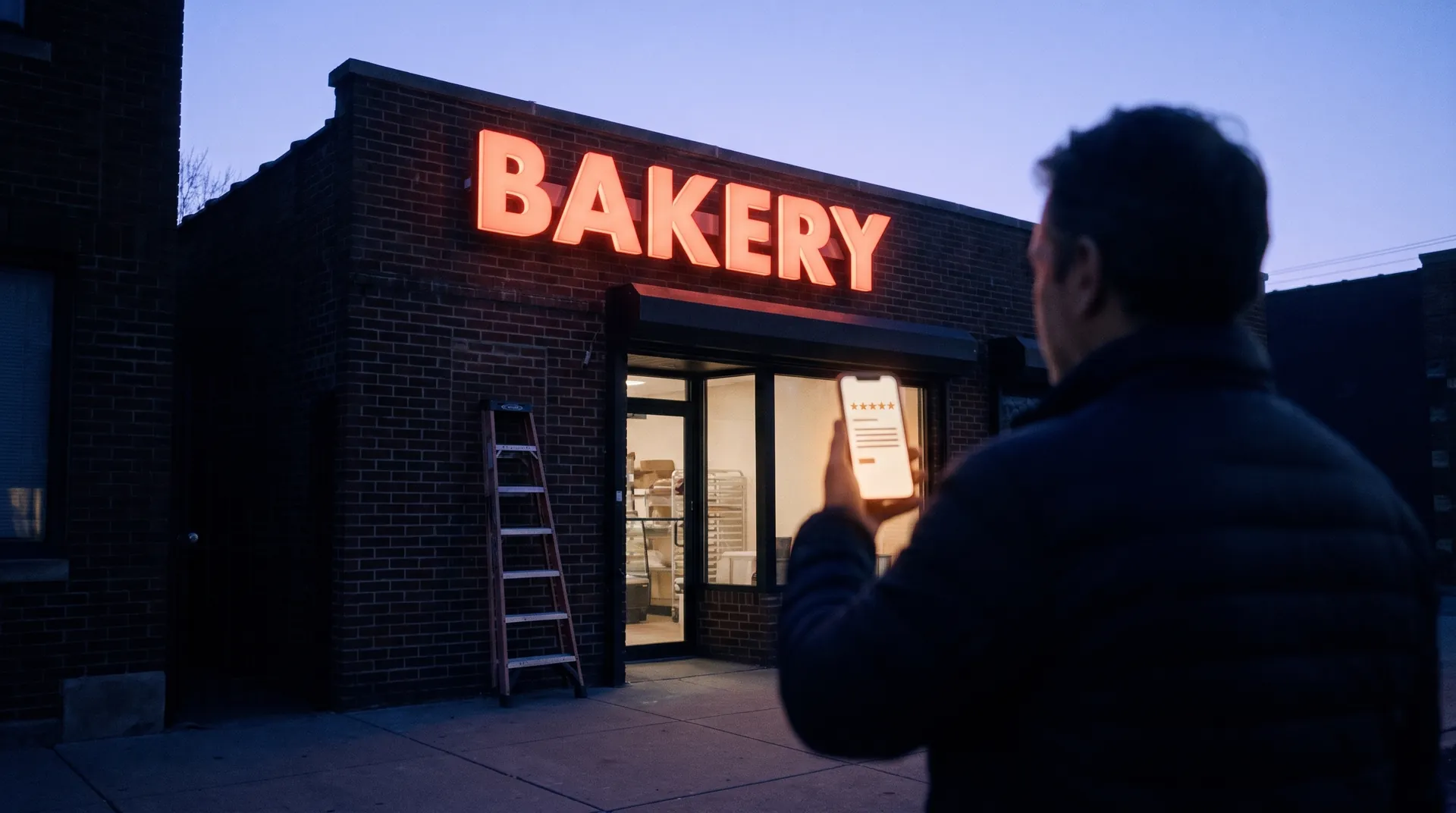
Asking for a Google review after every install
Reviews bring better jobs, not just more of them. Ask right after the install, make it one tap, and have a plan for the bad one.
Follow-up
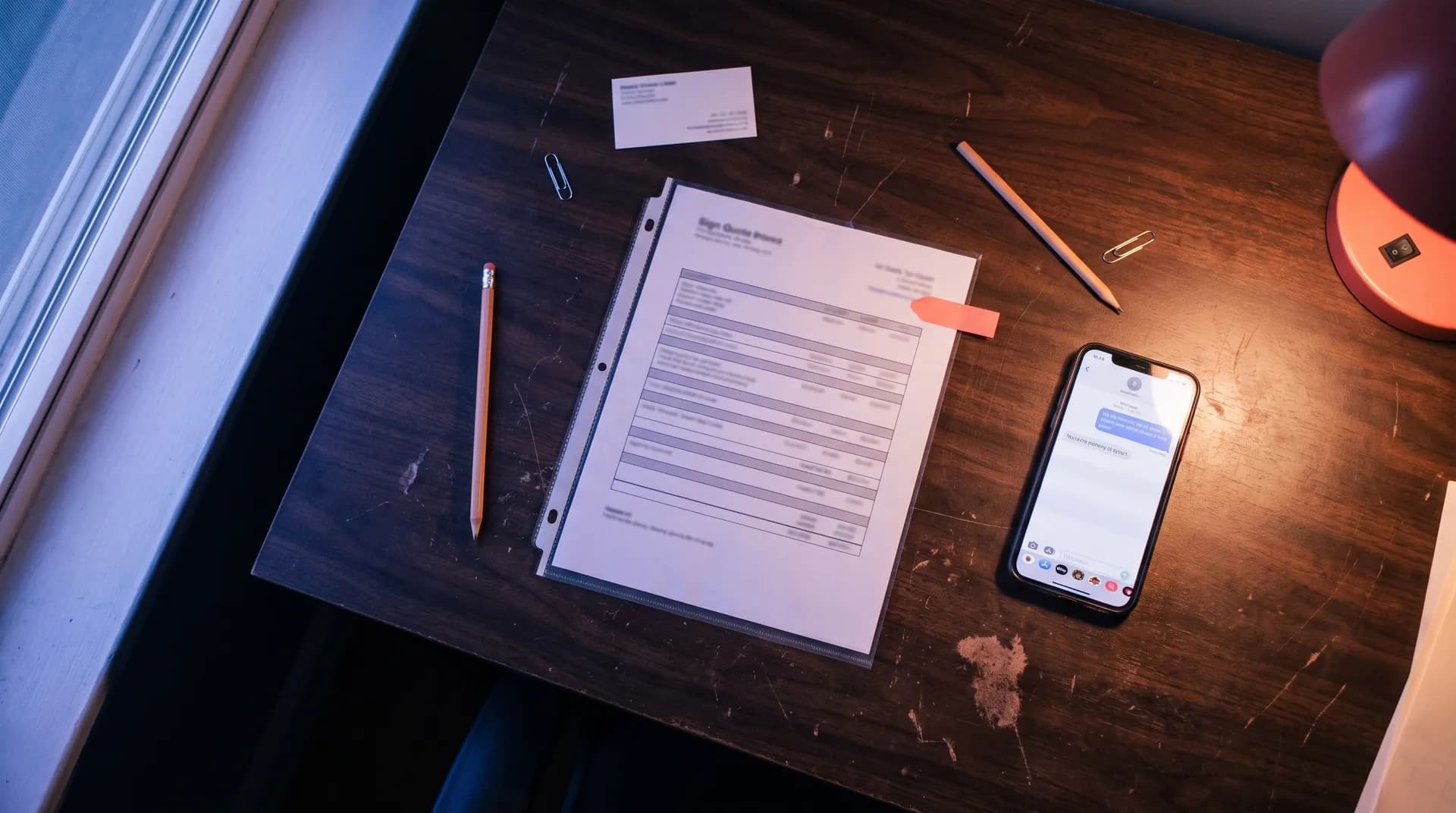
Following up on a quote without being a pest
Quiet quotes come up less often than people assume. When one does go quiet, a short, polite check-in beats waiting and wondering.

Quoting
Getting every detail for a sign quote on the first try
Owners on sign forums say the slow part of quoting is getting details out of the customer. Asking the right questions up front cuts the back-and-forth.